
The Standard for
Complex
Configuration
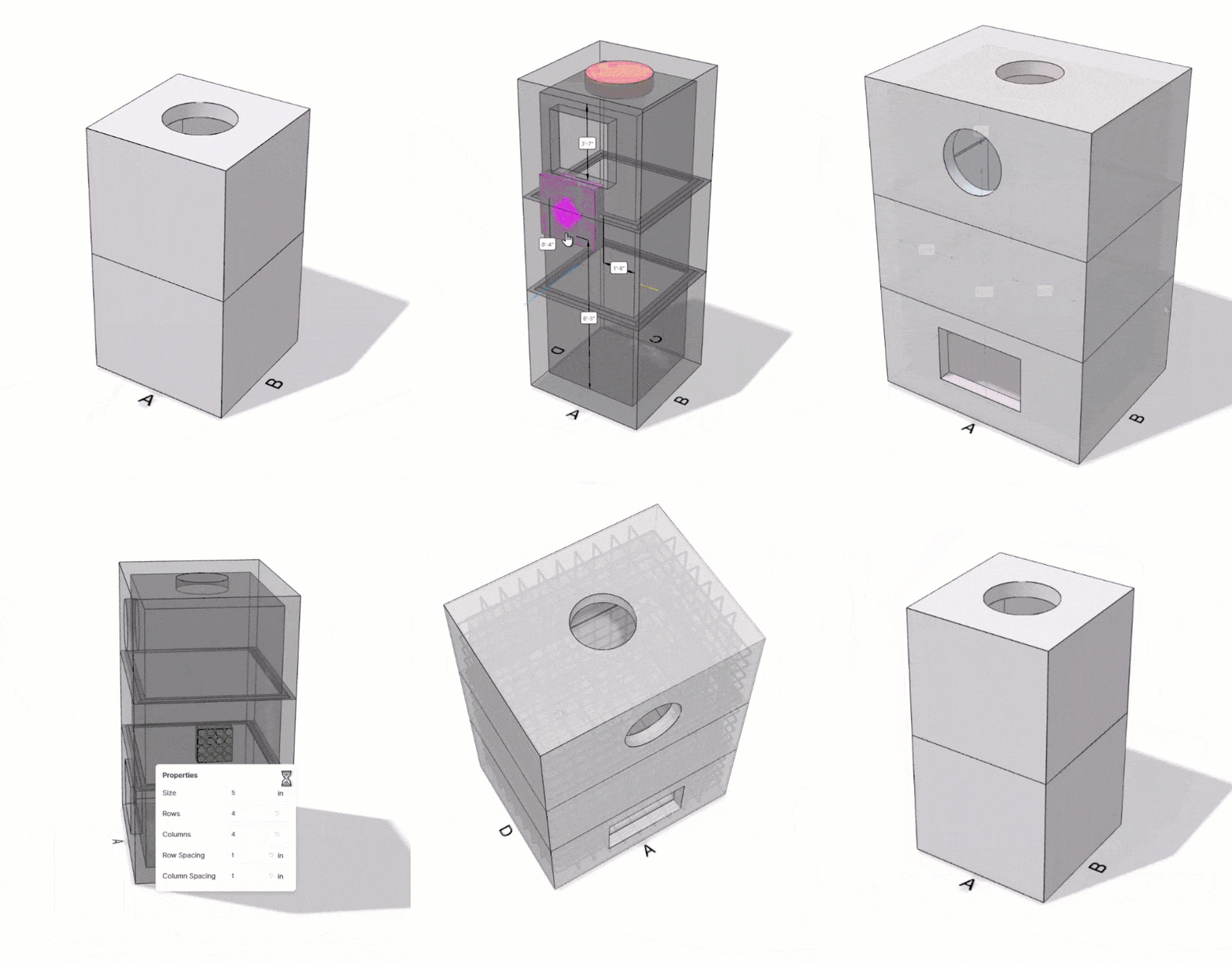
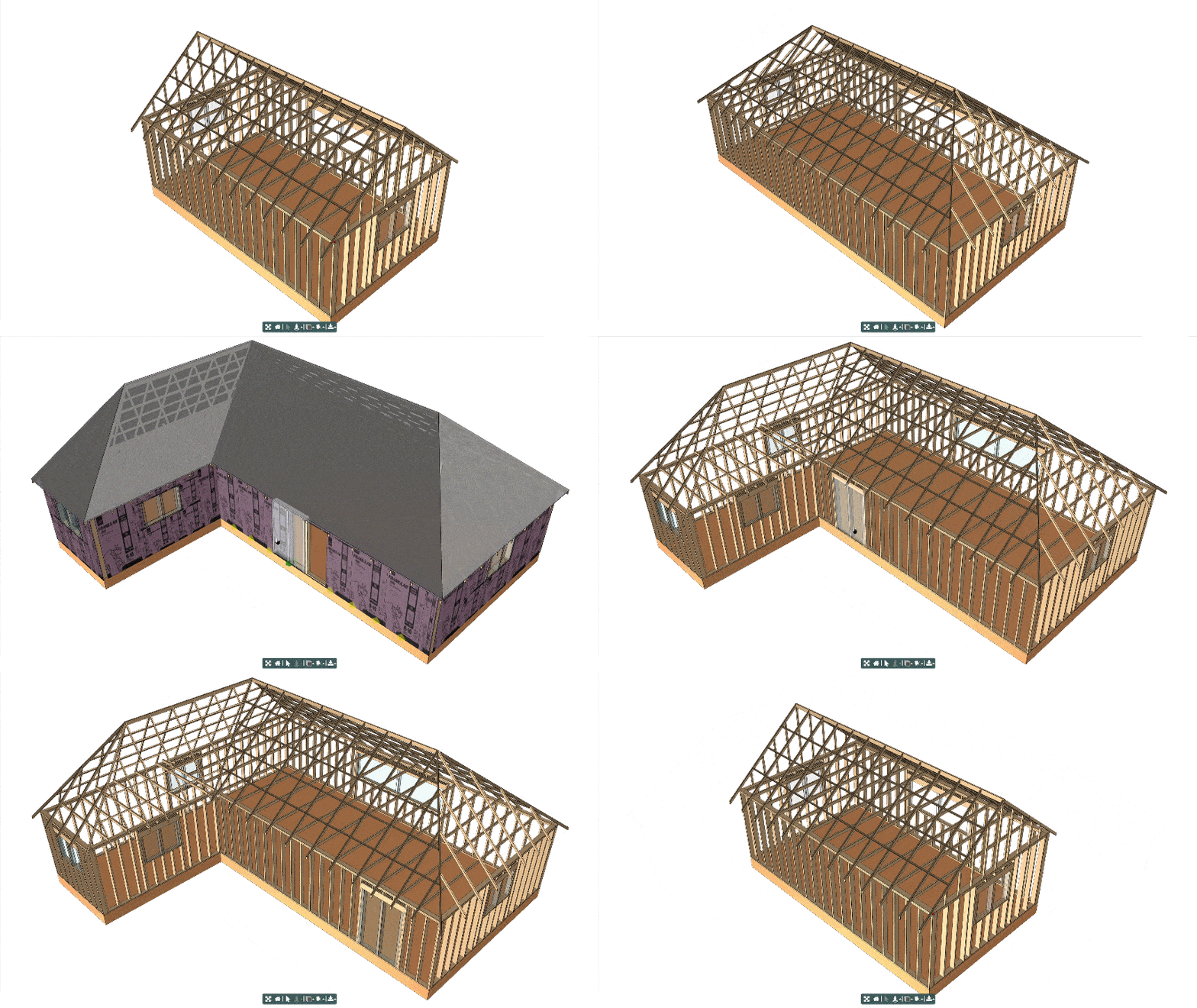
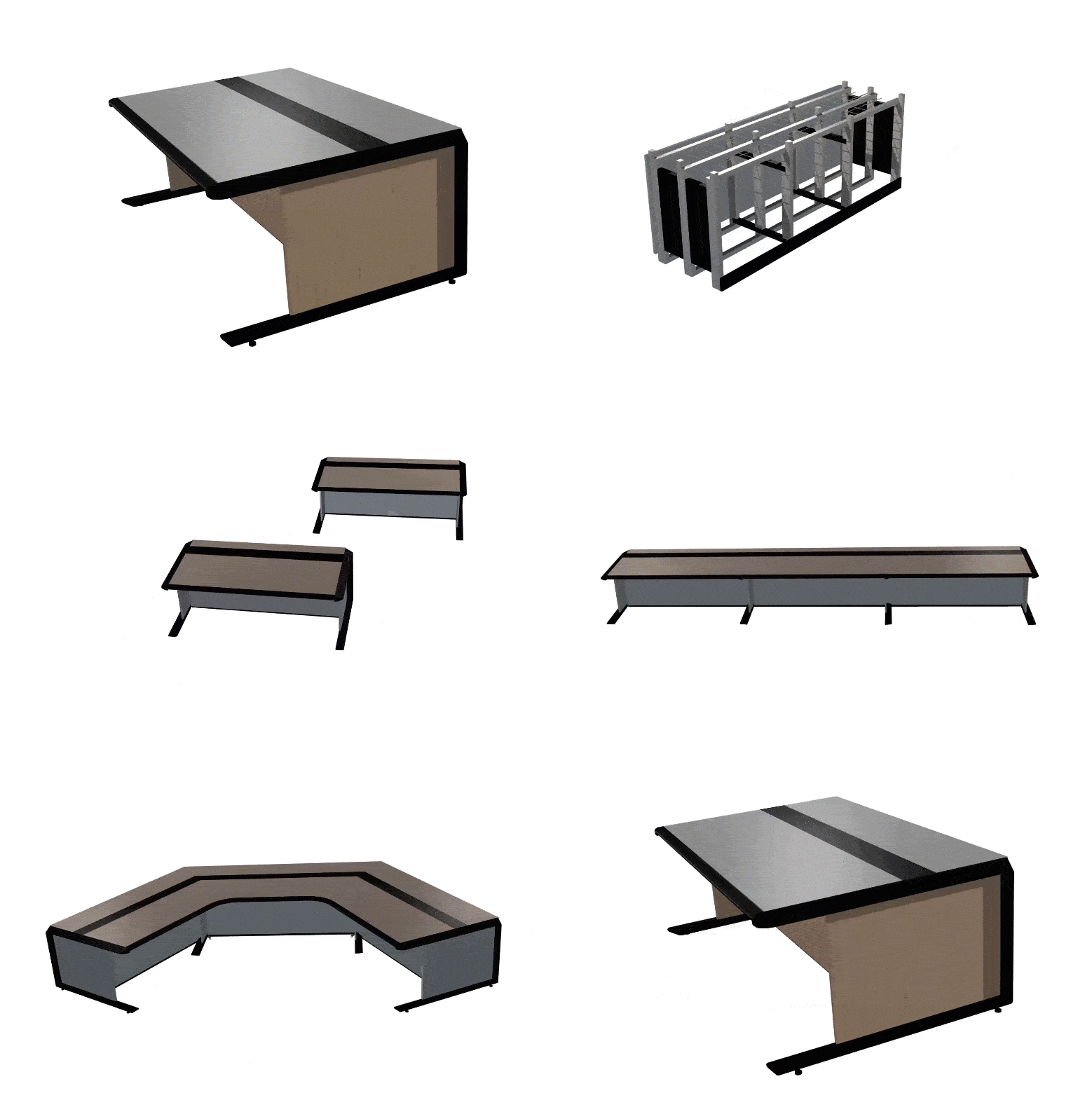
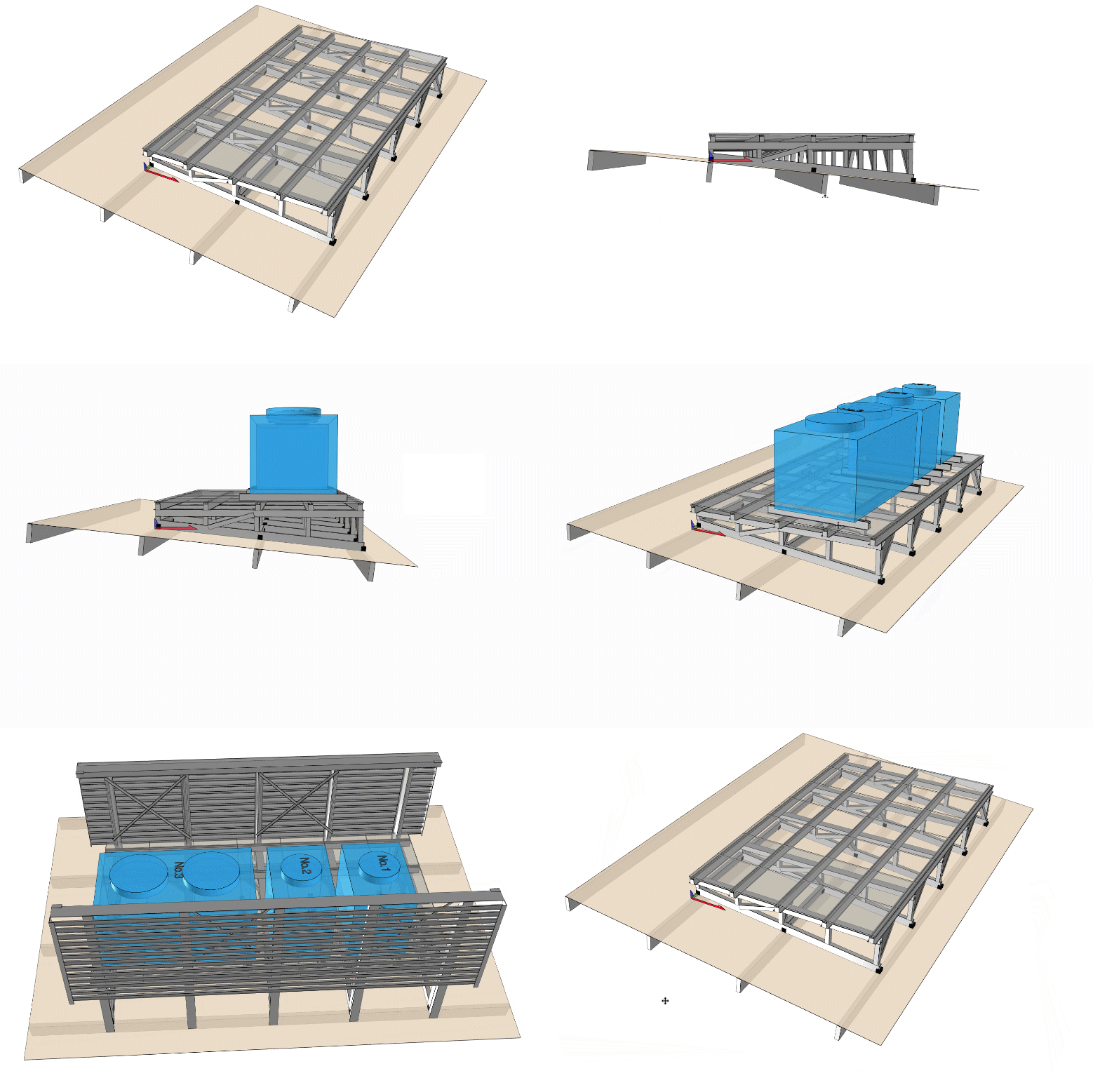
Don't just take our word for it—see the logic in action. This gallery spotlights just a few of our customers who have bridged the gap between sales and their customers. Each of these publicly-accessible tools is powered by the kBridge rules engine, ensuring 100% buildable quotes with zero engineering bottleneck.


General CPQ tools struggle with the nuances of true engineering. kBridge thrives there.
We’ve channeled our deep domain expertise into specialized vertical applications designed for the most demanding sectors.
Whether you are automating the structural logic of precast vaults, optimizing high-volume material handling layouts, or driving MEP design directly within Revit, kBridge provides the industry-specific logic to ensure your intent is captured—and your results are buildable.
Industry-
Specific
Intelligence


Did You Know?
Our new 'Did You Know?' videos highlight unique features and capabilities of kBridge.


Automate Engineered Configuration
Knowledge Bridge's unified approach incorporates configuration, engineering, geometric and business rules to automate the design of engineered to order products as well as the creation of proposals, drawings, 3D models, and even CNC.
Beat the Costs and Challenges of Customization
Using Knowledge Bridge, you can prepare quotes and proposals for your engineered to order products faster, easier, with fewer mistakes, and without taking time from expert engineers. Prepare an order for manufacturing in less time, with less cost and with fewer mistakes.

3D, Visual, Easy to Use Technology
The kBridge 3D Visual solution enables fully automated and graphically interactive automation solutions, making it easy easy for non-experts to configure complex products quickly, easily, and anywhere.
